

Top 10 Quartz Heating Element Tube Brand: Southeast Quartz vs. Traditional Industrial Solutions
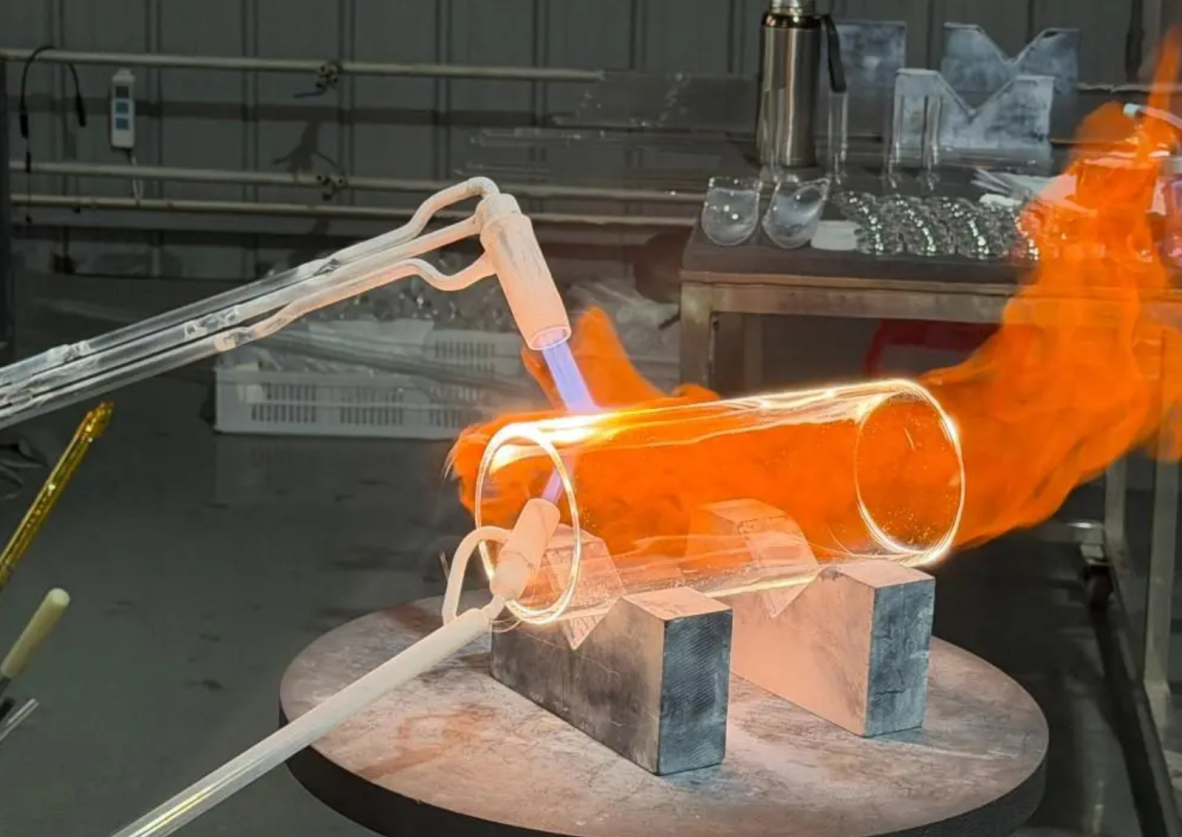
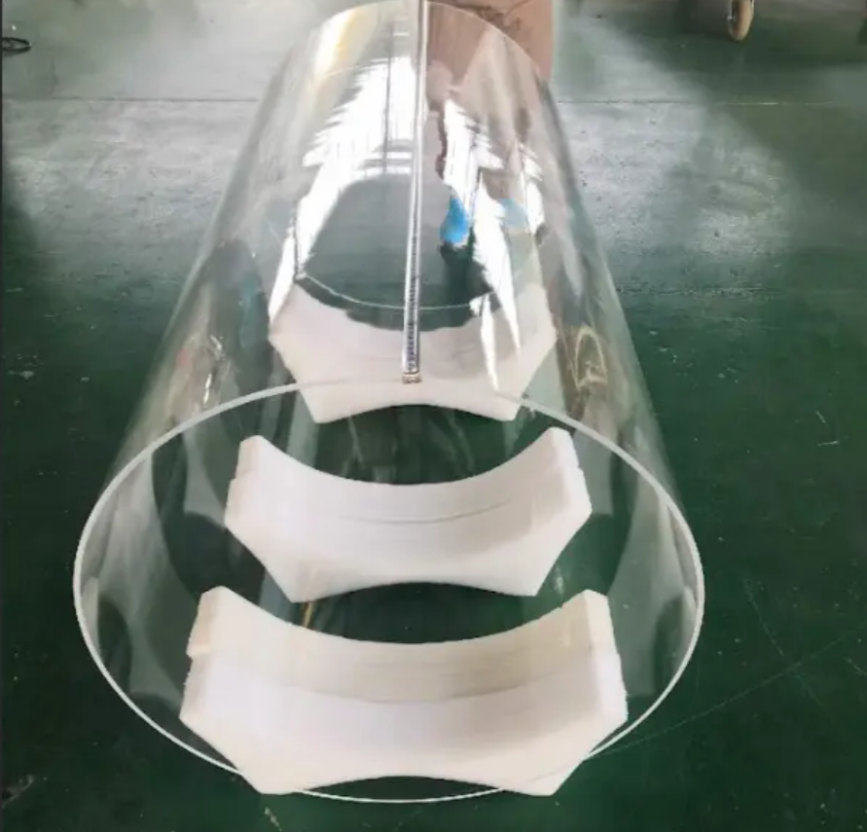
Industrial heating operations increasingly require components capable of enduring elevated thermal loads while maintaining operational stability. Within this market, the choice of protective encasements plays a central role in system performance. Industrial applications frequently implement standard commercial quartz tubing, originally manufactured for commercial lighting or broad consumer purposes, as protective sheaths for active heating elements. However, reliance on these entry-level alternatives often exposes structural limitations in high-stress industrial environments. Standard commercial tubes frequently demonstrate higher concentration levels of chemical impurities, lower precision in physical dimensions, and a tendency to structural crystallization when exposed to prolonged high thermal environments. Consequently, understanding the material and performance distinctions between standard industrial commodity tubing and a specialized quartz heating element tube brand has become vital for modern facility engineers focused on minimizing maintenance overhead.
Addressing these demanding market conditions, Lianyungang Southeast Quartz Products Co., Ltd. supplies high-specification materials optimized for challenging industrial processing sectors. The company relies on superior high-quality quartz ore resources, deeply engages in the deep processing of quartz glass, and has become a core supplier of quartz consumables for photovoltaic, semiconductor, laboratory, chemical, lighting and other industries with mature production technology, strict quality control system and complete customized services. In the global industrial marketplace, Southeast Quartz has positioned itself within the top 10 quartz heating element tube brand category by focusing strictly on technical parameters, geometric precision, and custom component integration.
Raw Material Purity: Specialized Refining VS. Commodity Sourcing
The performance of a quartz heating element tube under continuous thermal exposure depends primarily on the chemical composition and purity level of the base material. Standard commodity quartz solutions routinely utilize base-grade sand that contains elevated traces of alkali metals and iron compounds. At temperatures exceeding 1000 degrees Celsius, these localized chemical contaminants act as catalytic sites, driving a process of devitrification or surface crystallization. As the quartz material transforms from its amorphous structure into a crystalline state, the tube becomes opaque, causing a major reduction in infrared transmission efficiency and inducing physical embrittlement.
Conversely, Lianyungang Southeast Quartz Products Co., Ltd. utilizes raw materials obtained from specialized domestic supply lines subjected to refined chemical purification techniques. The manufacturing workflow incorporates strict grading systems to keep total elemental metal contamination low. For applications requiring specific infrared or ultraviolet emissions, the manufacturing team carefully matches the hydroxyl concentration within the quartz glass to ensure the transmission profile aligns with the emission spectra of internal carbon fiber, halogen, or resistance alloy elements. By delivering material lots backed by certified structural analysis, the quartz heating element tube brand prevents early transmission loss and maintains stable thermal transparency during high-temperature cycles.
Dimensional Tolerances: CNC Precision VS. Bulk Processing Variance
A significant issue associated with standard, non-specialized quartz tubes involves broad dimensional variations. General-purpose manufacturing lines typically output tubing with outside diameter and wall thickness tolerances spanning upward of plus or minus 0.3 millimeters. When automated assembly lines attempt to integrate these components with fixed metal flanges, internal heating coils, or heavy ceramic end caps, uneven gaps inevitably arise. An inconsistent physical barrier alters internal gas dynamics and blocks uniform thermal dissipation, leading to localized thermal hot spots that accelerate the failure of the underlying heating filaments.
To mitigate these physical assembly issues, Southeast Quartz implements computerized numerical control machining workflows to finish critical component dimensions.
The production facility maintains outside diameter and wall thickness variations within a narrow limit of plus or minus 0.1 millimeters. Furthermore, secondary processing operations ensure the end faces of each quartz heating element tube achieve precise flatness and perpendicularity relative to the central longitudinal axis. Maintaining these close physical parameters ensures smooth integration with customized compression fittings, threaded couplings, and vacuum-tight sealing flanges, eliminating early mechanical stress concentrations across the structural heating assembly.
Operational Lifecycles: Advanced Annealing VS. High-Maintenance Turnover
Using entry-level quartz products often seems cost-effective based purely on the initial procurement invoice. However, a deeper look at long-term operational costs reveals significant secondary expenditures. In high-output manufacturing sectors, such as solar photovoltaic cell assembly or chemical thermal processing, an unexpected fracture or severe surface haze on a protective tube requires an immediate system shutdown. The direct expenses associated with system downtime, lost production yields, and frequent maintenance labor regularly exceed the initial acquisition cost of the hardware.
Recognizing these operational risks, Lianyungang Southeast Quartz Products Co., Ltd. subjects its fabricated quartz items to controlled multi-stage thermal annealing processes. This industrial heating sequence gradually eliminates internal structural stresses introduced during mechanical shaping, drawing, and cutting phases. When the finished quartz heating element tube brand products enter active service, the combined attributes of structural stress relief and low trace-metal levels provide strong resistance against thermal shock and structural cracking. As a result, industrial systems achieve longer continuous operational intervals, fewer emergency component replacements, and a lower total cost of ownership across the operational lifecycle.
Engineering Flexibility: Tailored Customization VS. Rigid Standard Inventories
Standard commercial distribution networks typically focus on high-volume production of rigid, pre-defined product lines. When specialized engineering projects require unique structural shapes, asymmetric cross-sections, or precise perimeter perforations to accommodate unique electrical contacts, standard suppliers rarely provide the necessary technical support. This lack of flexibility forces design engineers to modify their primary thermal equipment to fit standard components, which can restrict overall process efficiency.
Southeast Quartz addresses this structural limitation by maintaining an independent technical division dedicated to customized engineering assignments. Industrial clients can submit specialized CAD prints, technical sketches, or specific operational requirements to initiate the manufacturing cycle. The company's processing capability supports complex alterations, including precision laser drilling, geometric structural cutting, and the application of directional gold or white ceramic heat-reflective coatings directly onto the quartz surface. The engineering support team typically generates physical prototypes within five to ten business days, providing clients with rapid validation cycles along with practical material selection advice tailored to their specific operating environments.
Technical Alignment for Specialized Processing Applications
Modern high-density heating systems rely on precise thermal matching between the structural outer protective sleeve and the internal heating mechanism. Whether managing rapid halogen thermal cycles, high-intensity carbon fiber infrared outputs, or steady electrical resistance elements, selecting the appropriate grade of quartz glass remains a fundamental prerequisite for operational stability. By moving away from general commodity options and adopting specialized material configurations, process operators can ensure their thermal infrastructure runs with high efficiency and structural reliability.
Industrial procurement teams seeking detailed technical assessments or seeking to evaluate specific custom component quotes can review material options and submit operating specifications through the official enterprise platform at https://www.dnquartz.com/.
Lianyungang Southeast Quartz Products Co.,Ltd.
Lianyungang Southeast Quartz Products Co.,Ltd.
+ +86 135 8528 6180
email us here
Legal Disclaimer:
EIN Presswire provides this news content "as is" without warranty of any kind. We do not accept any responsibility or liability for the accuracy, content, images, videos, licenses, completeness, legality, or reliability of the information contained in this article. If you have any complaints or copyright issues related to this article, kindly contact the author above.
